Functional mushroom Fruiting Bodies and Mycelium
Introduction
There is some contention in the functional mushroom supplement market about which part of fungi is best used in products. As with every aspect of the business here at Mushroom Culture, we take a science backed, evidence based approach which has shown us that:
Mycelium and fruiting bodies contain distinct compounds
More scientific research (human clinical trials) has been carried out on fruit body only rather than mycelium
Key compounds for neurological health are found in both Lion’s Mane fruit body and mycelium
Choosing a high quality Lion’s Mane supplement with clearly listed ingredients and proper extraction methods will provide the greatest benefit
What is the difference between mycelium and fruiting body?
Mycelium is the non reproductive part of fungi and makes up the “underground” portion that is able to break down things like wood, manure and insects for food. Most of a fungi’s life cycle will be spent as mycelium.
When conditions are right (high humidity, air flow, presence of light) mycelium will decide to produce fruiting bodies. These are what we typically think of and know as mushrooms and are a means for the fungi to reproduce. When fruiting bodies mature, they release spores which can travel long distances (via wind, insects or on clothes) and, when they arrive in a suitable environment, will grow out as another patch of mycelium.
The fruiting body is the part of the fungi which is typically consumed however, both mycelium and fruiting body are packed full of nutrients and beneficial compounds. Our bodies struggle to efficiently digest raw mushroom fruiting bodies, this is why mushrooms are typically cooked and mushroom supplements require proper extraction. Mycelium is actually easier for our bodies to break down but still requires extraction to maximise the bio availability of beneficial compounds. Learn more about mushroom extraction here.

What compounds are found in the mycelium of Lion’s Mane?
In Lion’s Mane mycelium, you find erinacines which are not found in the fruit bodies. Erinacines have been shown in animals to increase Nerve Growth Factor (NGF) and Brain Derived Neurotrophic Factor (BDNF) which are both important in maintaining neuronal function. Erinacines potentially contribute to the neuroprotective, cognitive enhancing effect of Lion’s Mane however, more human clinical trials are needed to confirm this.
It can be challenging to produce large amounts of pure mycelium so, often a growing substrate is often included as part of mycelium based products. Research suggests that this mycelial biomass has beneficial effects and so purified mycelium is not always essential. For example this study found Lion’s Mane (Hericium erinaceus) fermented wheat product extract had neuro-protective and neuro-restorative effects on zebrafish.
When looking for a mycelium based product it is important to use a trustworthy supplier that explains their mycelium production process as quality can vary considerably.

What compounds are found in the fruiting body of Lion’s Mane?
Lion’s Mane fruiting body also contains unique compounds - namely hericenones. Hericenones function similarly to erinacines and have been shown to stimulate the production of Nerve Growth Factor (NGF) and Brain derived Neurotrophic Factor (BDNF)which both contribute to cognitive function. Clinical trials using fruit body only extract have shown cognitive improvements, demonstrating the effectiveness of hericenones. Hericenones also have anti-oxidant, anti-inflammatory and anti-platelet effects.
Beta-glucans are present in Lion’s Mane fruit bodies at much higher levels than in mycelium (typically 30-40% in fruit body, 5-10% in mycelium). Beta glucans support immunity and gut health. Lion’s Mane fruiting body is also high in a range of antioxidants, flavanoids and phenolic compounds, which contribute to the health benefits of this mushroom. Therefore, Lion’s Mane fruit bodies contain a range of compounds that contribute to other areas of health such as immunity and gut health in addition to the cognitive benefits supported primarily by hericenones.

Regulation surrounding mushroom supplements
Due to regulations in the UK, mycelium based mushroom products are classed as a “Novel Food”. This means that because mushroom mycelium was not consumed to a significant degree prior to 1997, it is not widely recognised on the Great Britain Novel Foods Register as a food supplement ingredient.
Lion’s Mane, Reishi and Turkey Tail mycelium will require additional assessment and regulatory approval before they are widely available in the UK. Many other countries (e.g U.S.A, Canada, Japan, China, South Korea and Taiwan) have mycelium based products approved and available for consumers. There is quite a large body of research supporting mushroom mycelium extracts however, it may take considerable time and investment before these are available in the UK and Europe.

Summary
From looking at the research, both mushroom fruit body and mycelium provide promising health benefits.
Fruiting bodies are currently supported by more human clinical trials. Fruit bodies also provide a greater balance of benefits as they contain much higher beta-glucan content while also being rich in hericenones which demonstrate cognitive benefit.
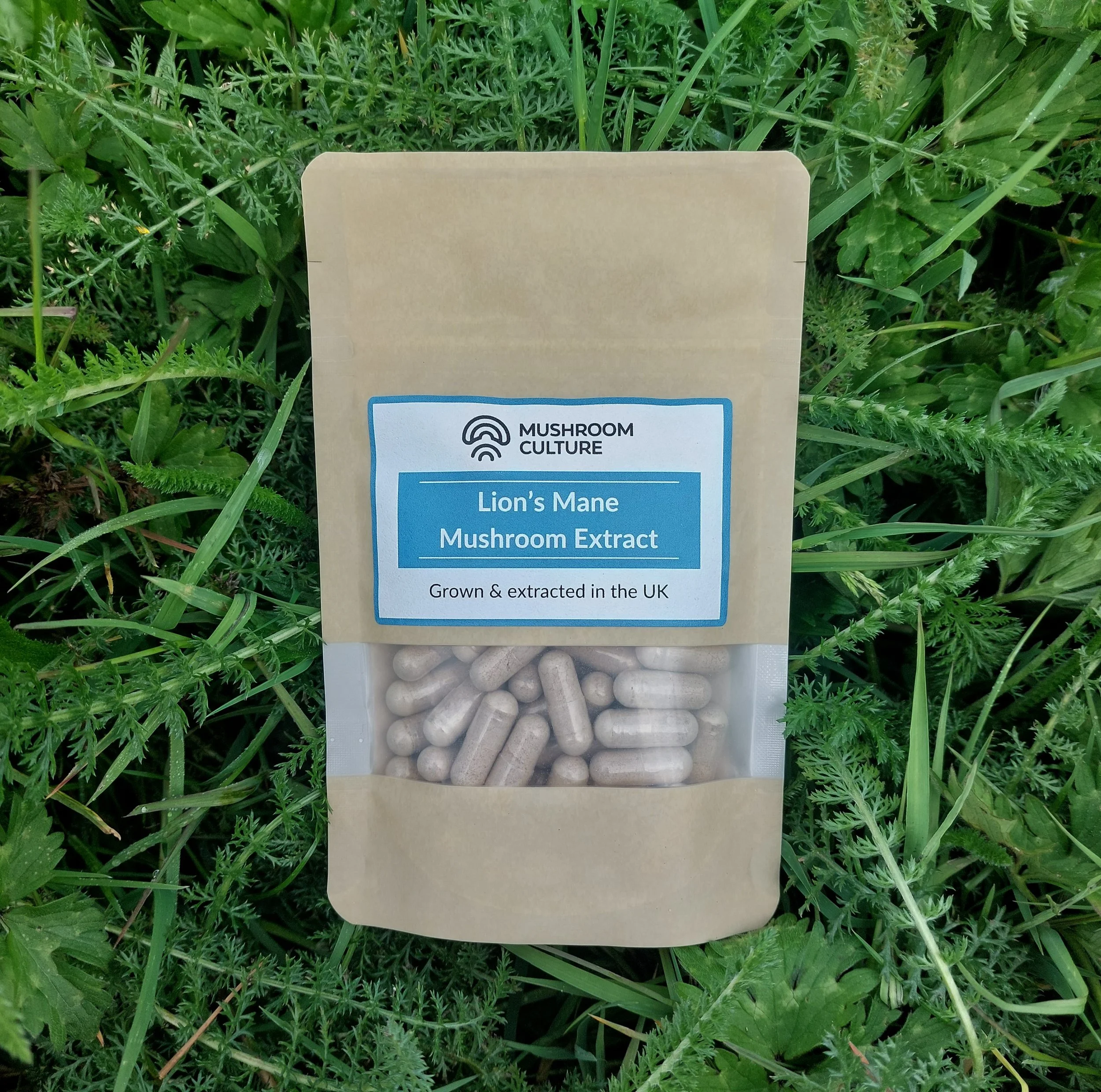
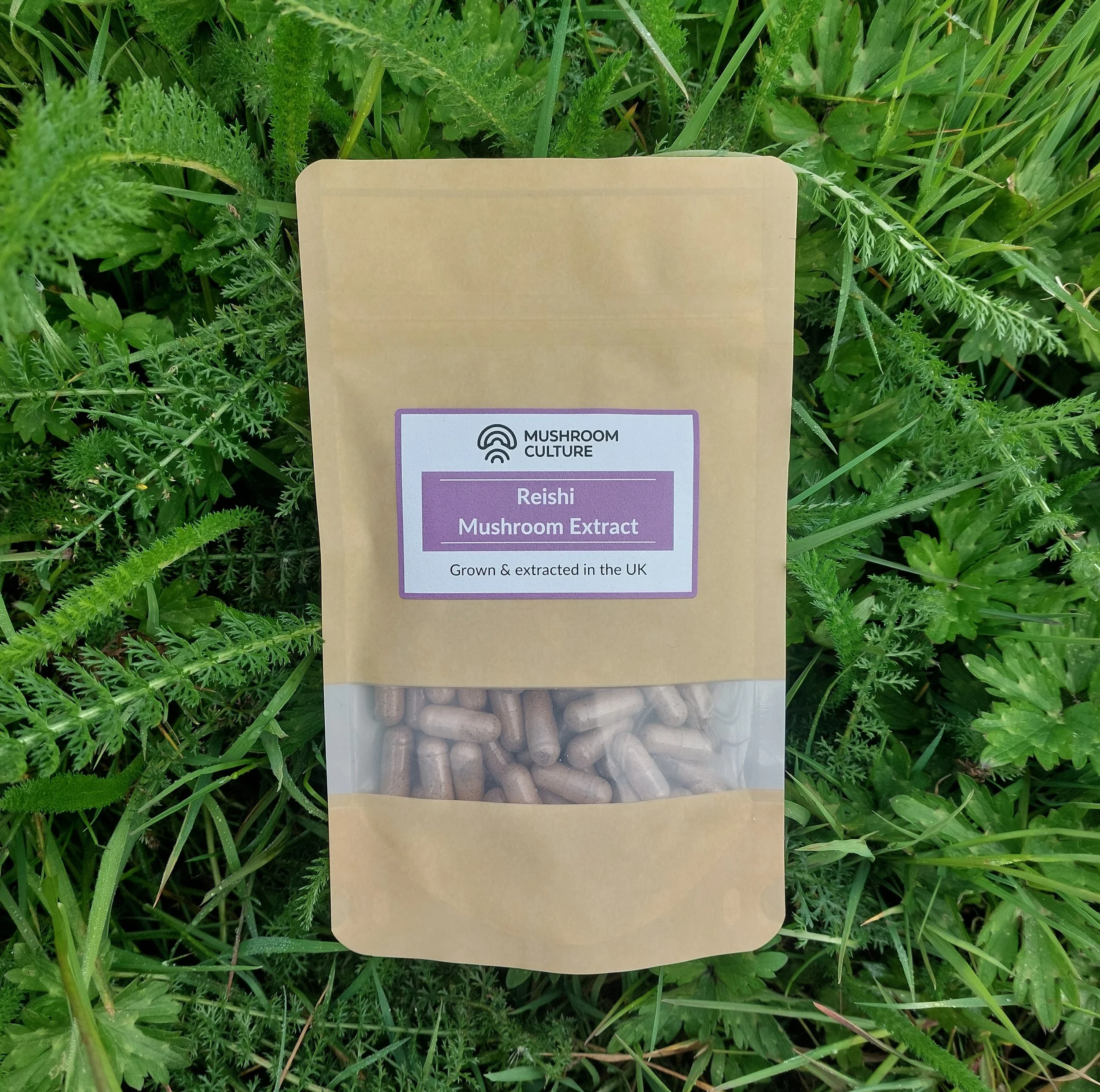
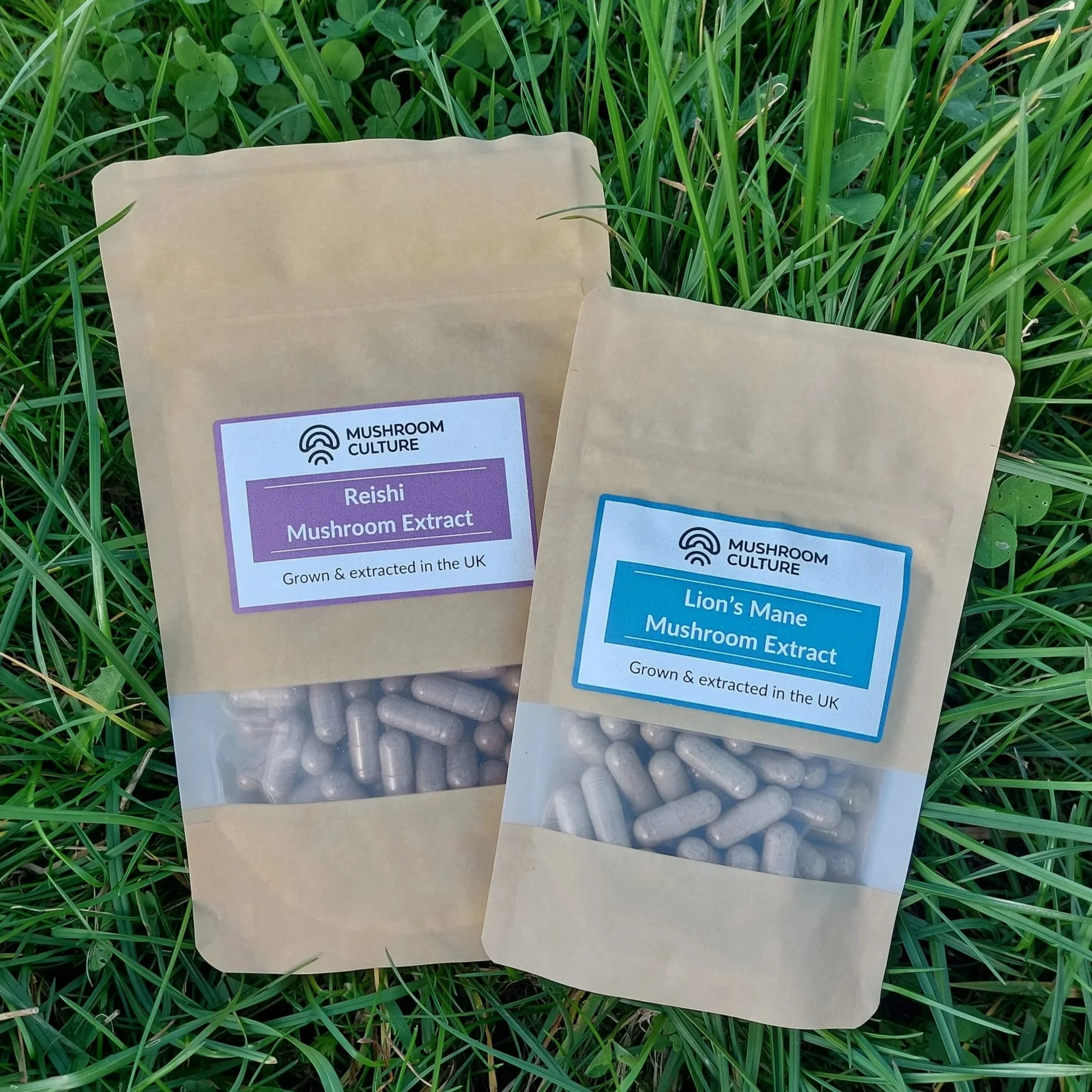
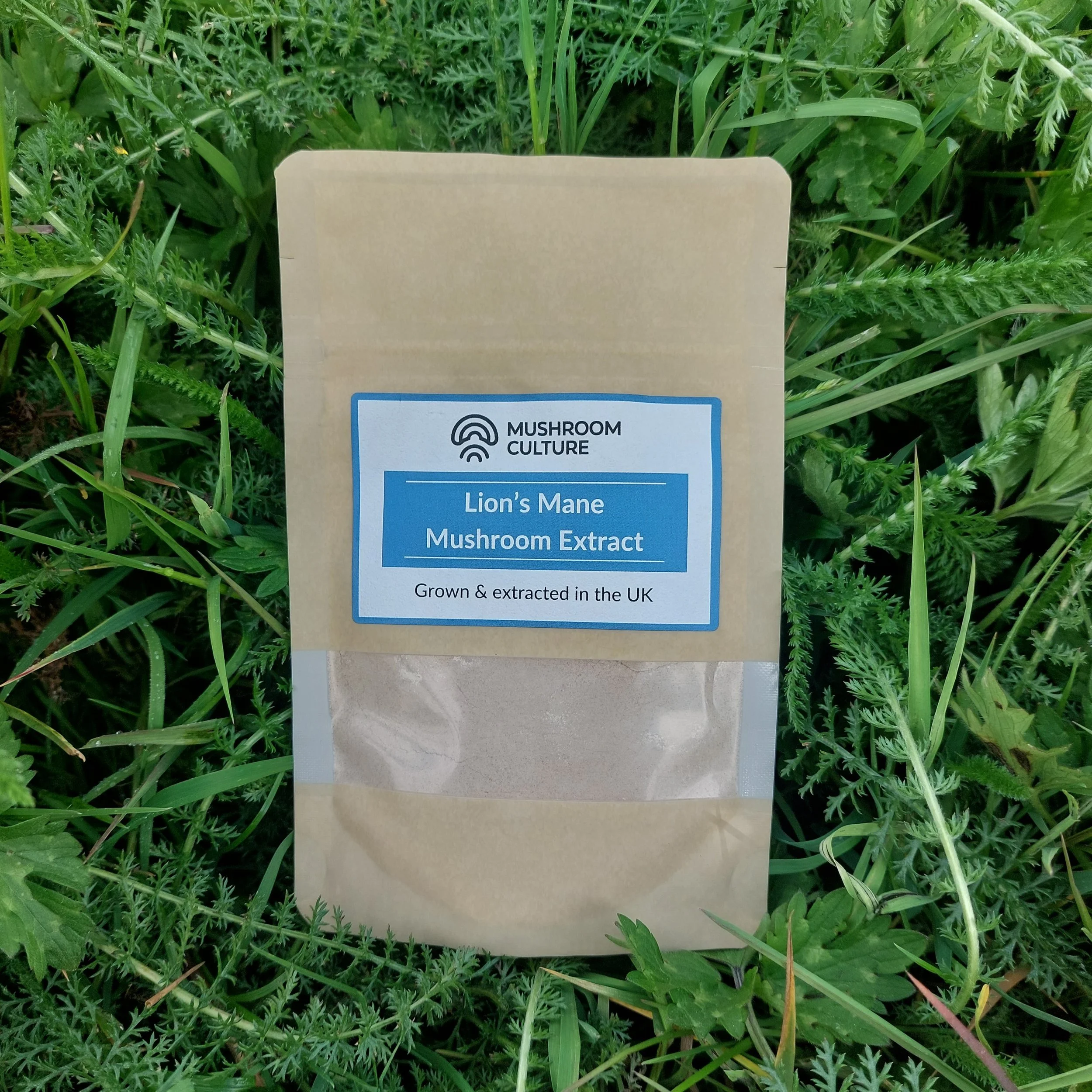
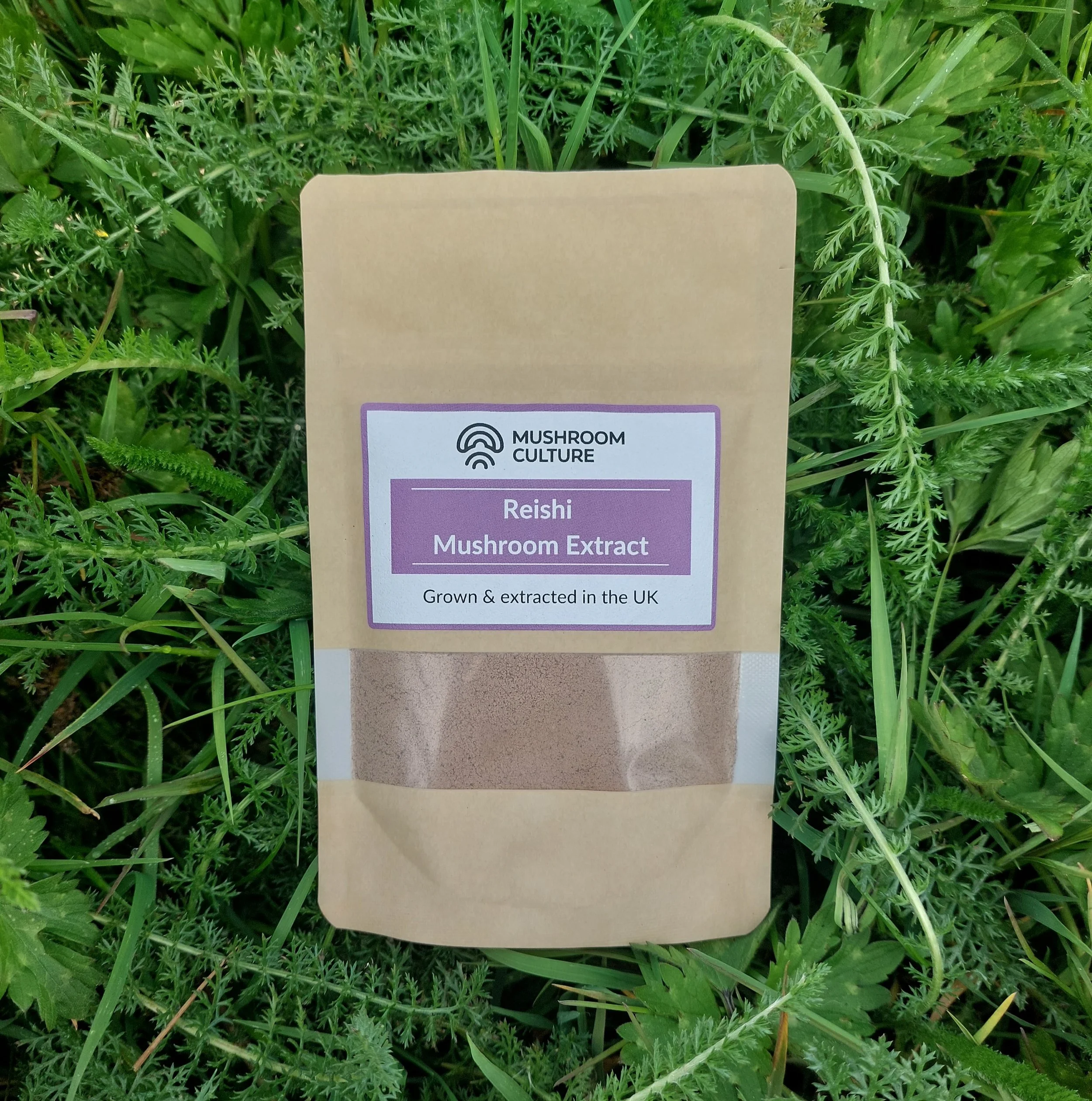
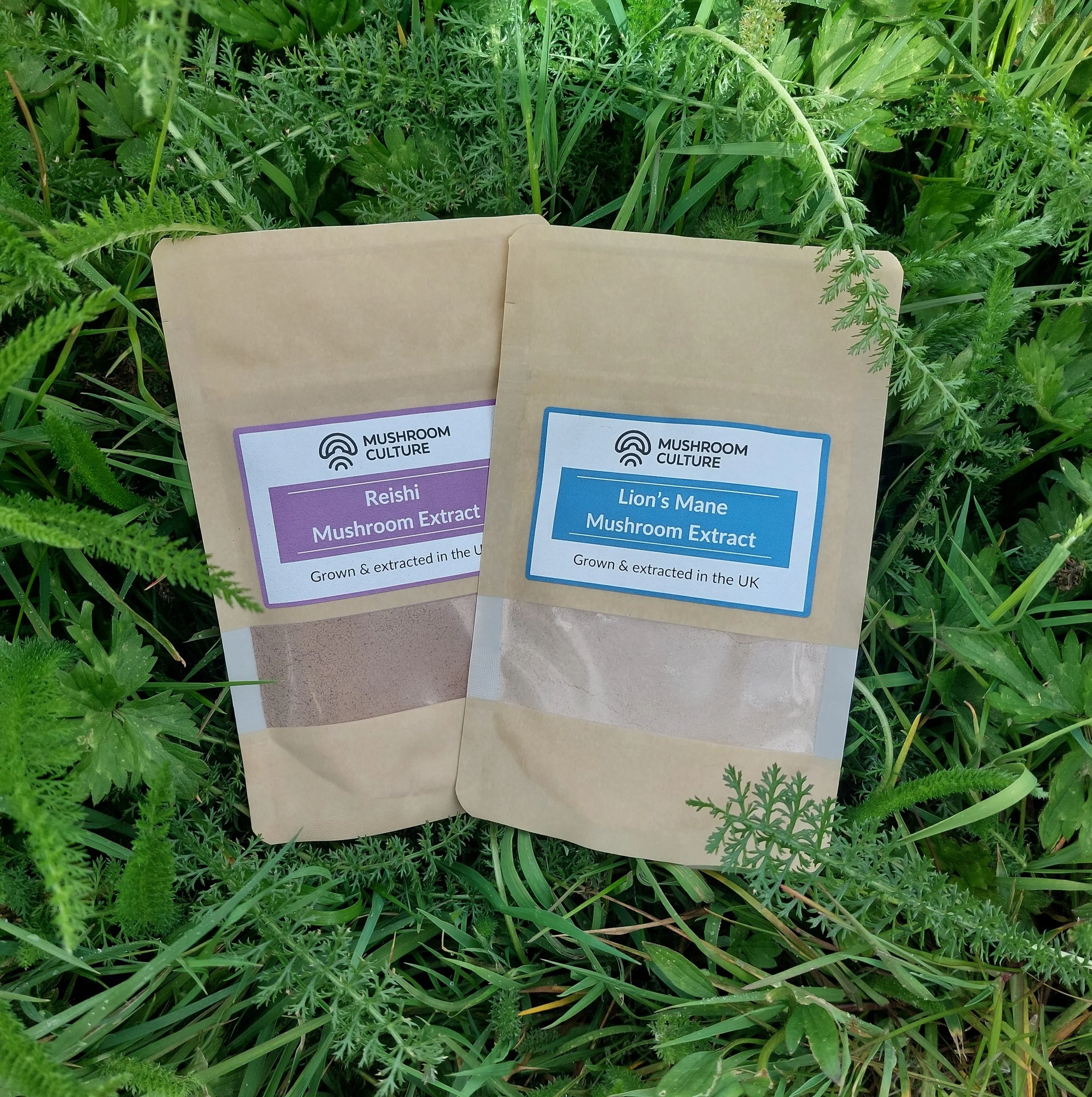
These well studied benefits of fruit body extracts, alongside the current UK regulation surrounding mycelium products means our products are made with 100% UK grown dual-extracted mushrooms.
This aligns with our goal of bringing effective, affordable and locally produced mushroom products to you that provide the maximum amount of benefit. Backed by science, not buzzwords.